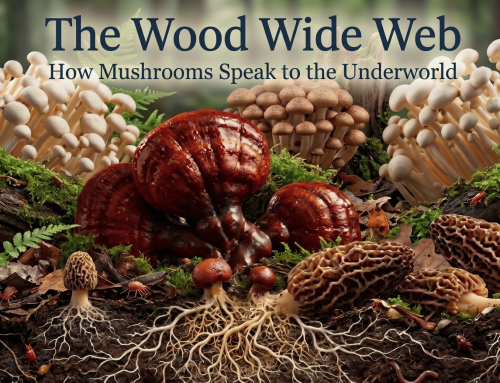
The Wood Wide Web: How Mushrooms Speak to the Underworld
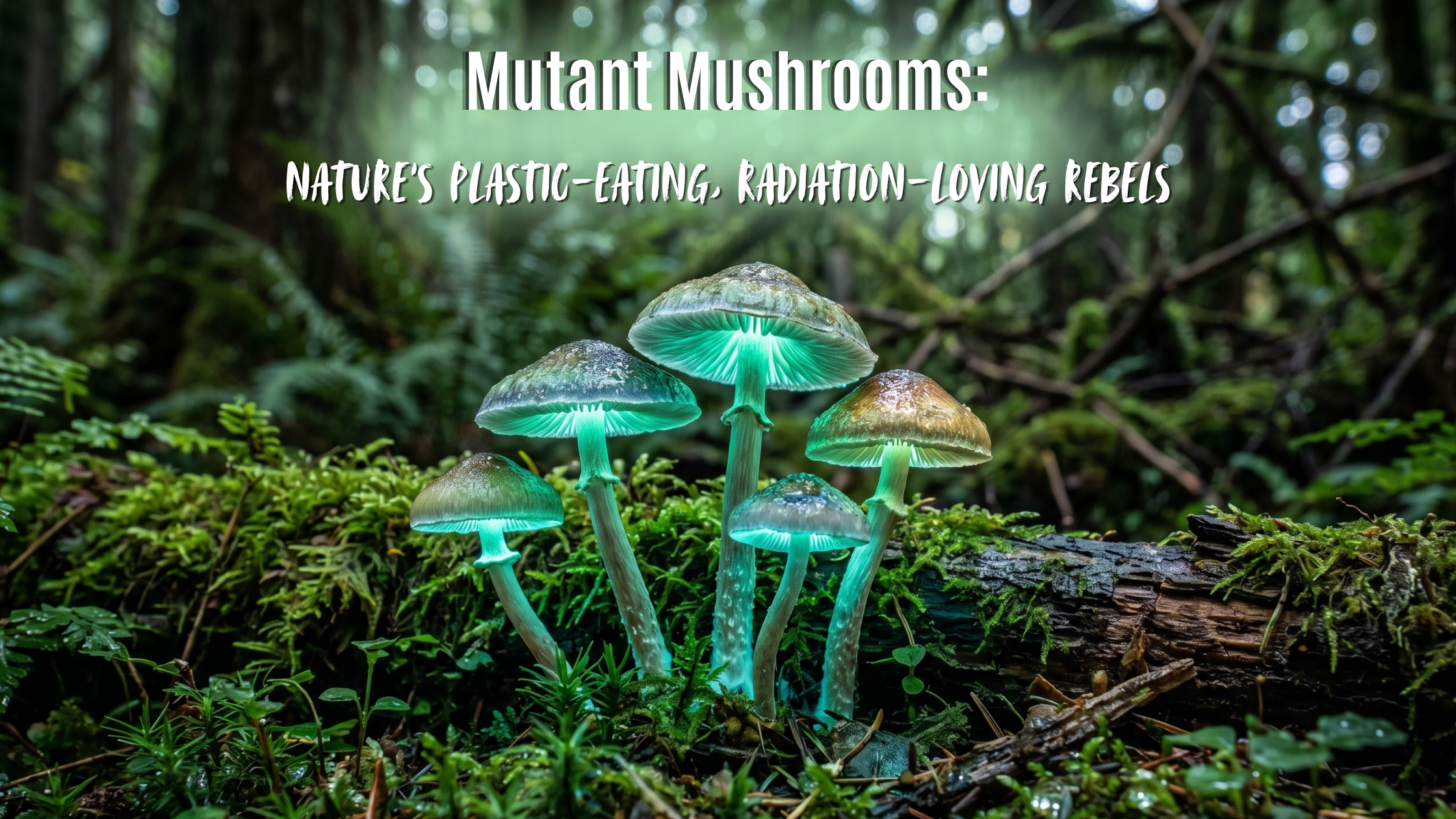
When you think of mushrooms, your mind probably wanders to culinary dishes, mystical folklore, or hidden forest floors. But out in the frontiers of science, certain fungi are proving to be absolute environmental superheroes. Far beyond just breaking down old logs, these biological powerhouses possess jaw-dropping abilities—including the power to digest synthetic plastics and colonize radioactive disaster zones.
Let’s dive into the wild world of extremist fungi and how they are changing our approach to saving the planet.
1. The Plastic-Eaters: Nature’s Recycling Machine
Plastic pollution remains one of the greatest environmental crises of our time, taking centuries to degrade in landfills and oceans. However, nature has officially engineered a countermeasure.
The Amazonian Discovery: Pestalotiopsis microspora
Discovered deep in the Amazon rainforest, this remarkable fungus has an appetite for polyurethane—the dense plastic found in everything from synthetic shoes to heavy refrigerator insulation.
-
The Anaerobic Advantage: What makes this fungus a true game-changer is its ability to survive and digest plastic completely without oxygen. This means it could theoretically be deployed deep within compressed, oxygen-starved landfills or at the very bottom of ocean trenches to clean up synthetic waste.
-
How It Works: The fungus secretes highly specialized enzymes that break the complex molecular bonds of polyurethane, converting toxic plastic into simpler, entirely organic, biodegradable compounds.
2. The Radiation-Eaters: Chernobyl’s Atomic Fungi
If a plastic-eating mushroom sounds like science fiction, the fungi thriving inside the radioactive ruins of the Chernobyl nuclear disaster site take things to an entirely different level.
Meet the Radiotrophic Fungi
Years after the infamous 1986 meltdown, scientists investigating the highly radioactive core of the destroyed reactor made a shocking discovery: black fungi growing directly on the chamber walls. Species like Cladosporium sphaerospermum aren’t just resisting the extreme radiation—they are actively eating it.
-
Fungal Photosynthesis (Radiotropism): These fungi contain massive amounts of melanin—the exact same pigment that darkens human skin to protect us from UV rays. These organisms use melanin to absorb harmful ionizing radiation and convert it into chemical energy for growth, functioning similarly to how green plants utilize sunlight.
-
The Cosmic Frontier: This phenomenon is so profound that NASA has conducted studies on these fungi aboard the International Space Station. Scientists are exploring whether mushroom-infused materials could be used as lightweight, self-replicating radiation shielding to protect astronauts on long-duration missions to Mars.
The Bigger Picture: A Planet-Healing Blueprint
These mycological breakthroughs offer real-world, sustainable solutions to some of humanity’s most complex challenges:
-
Bioremediation: Utilizing the specialized cellular machinery of fungi to safely neutralize oil spills, heavy metals, toxic waste, and industrial plastics.
-
Sustainable Manufacturing: Turning fungal mycelium into eco-friendly packaging, construction insulation, and structural materials that naturally compost rather than choking landfills.
-
Space Exploration: Laying the groundwork for bio-remodeling and radiation protection to help sustain human life off-Earth.
Fungi are no longer viewed as simple forest decomposers; they are highly adaptive, planet-healing powerhouses. The next time you spot a wild mushroom sprouting from the earth, remember: you are looking at an organism that might just hold the key to cleaning up our past mistakes—and securing our survival in the stars. 🍄
About the author : admin